
The Allure of Chance: Understanding the Thrill
The psychology behind casino gambling behavior often centers around the thrill of chance. For many, the excitement of placing a bet and the potential for a big win creates a rush that is hard to replicate in everyday life. This rush can trigger the release of dopamine, a neurotransmitter associated with pleasure and reward, leading individuals to seek out gambling as a form of escapism or a way to alleviate boredom. The unpredictability of gambling outcomes heightens this emotional response, making each gamble an enticing venture into the non gamstop casino unknown.
Furthermore, the structure of casino games, which often involve vibrant lights, engaging sounds, and celebratory themes, amplifies this excitement. These sensory elements are meticulously designed to create an enticing environment that encourages players to stay longer and gamble more. This immersive experience can significantly influence a gambler’s behavior, driving them to chase wins or compensate for losses, often leading to irrational decision-making.
The Role of Cognitive Biases in Gambling
Cognitive biases play a pivotal role in shaping gambling behaviors. One significant bias is the illusion of control, where individuals believe they can influence the outcomes of games that are inherently random. This misconception can lead players to engage in more gambling, as they feel empowered by the false belief that their skills or strategies can sway the results. Such beliefs are often exacerbated in games like poker, where players feel their decisions can significantly impact winning. Understanding these biases helps to clarify how gamblers perceive their chances of success in various games.
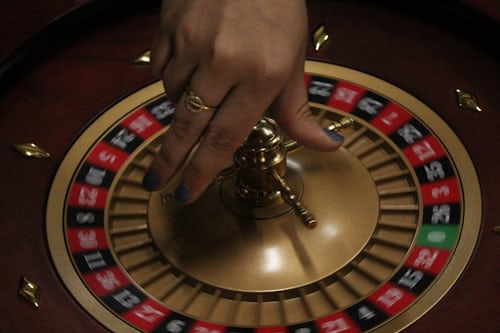
Another critical cognitive bias is the gambler’s fallacy, the belief that past outcomes will affect future results in random events. For instance, a player may believe that if a roulette wheel has landed on red several times, black is “due” to occur. This reasoning can lead to increased betting and exacerbate losses, as gamblers become trapped in a cycle of chasing perceived trends rather than understanding the randomness involved in their games. Recognizing this fallacy can prevent individuals from making larger mistakes during gameplay.
The Emotional Impact of Winning and Losing
The emotional roller coaster associated with gambling significantly influences behavior. Winning evokes feelings of joy and accomplishment, producing a strong desire to continue betting. For many, a win reinforces their belief in their ability to predict outcomes, often leading to higher stakes and riskier bets. This fleeting sense of euphoria can create a strong psychological attachment to gambling, further entrenching individuals in their gambling habits. Understanding this emotional connection is vital in recognizing the potential harm gambling could inflict.
Conversely, losing can trigger feelings of frustration and desperation, often leading individuals to gamble in an attempt to recover their losses—a phenomenon known as “chasing.” This behavior can be psychologically damaging, as it creates a cycle where temporary wins are used to justify more gambling, while losses fuel an obsessive need to try and regain control. Understanding these emotional impacts is crucial for addressing problem gambling behaviors and encouraging healthy habits among players.
The Social Aspect of Gambling
Casino gambling is not just an individual activity; it is often a social event. The communal atmosphere found in casinos can enhance the enjoyment of gambling, making it an appealing choice for social interaction. Friends or family members often gamble together, creating a shared experience that can enhance the thrill of playing. This social dimension can sometimes mask negative behaviors, as individuals may feel encouraged by their peers to take greater risks. Community involvement in gambling activities can blur the line between recreational fun and problem gambling.
The social acceptance of gambling also plays a role in normalizing behaviors that can lead to addiction. In many cultures, gambling is viewed as a recreational activity, which can minimize the perceived risks associated with excessive gambling. This normalization can influence an individual’s attitude toward gambling, making it harder for them to recognize when their behavior is becoming problematic. Conversations surrounding responsible gambling should also include family and friends to help mitigate risks effectively.
Commitment to Safe Gambling Practices
As discussions about the psychology of gambling evolve, so does the importance of responsible gaming. Online platforms and casinos are increasingly implementing measures to promote safer gambling practices. This includes offering resources for players who may be struggling with addiction, such as self-exclusion programs and access to counseling services. By creating an environment that encourages responsible gambling, the gaming industry acknowledges the psychological aspects of gambling behavior and its potential to contribute to problematic habits.
Furthermore, educating players about the psychological traps associated with gambling is essential. Raising awareness about cognitive biases, emotional influences, and social pressures can empower individuals to make informed decisions. A commitment to secure and responsible gambling not only protects players but also fosters a healthier gaming culture overall, highlighting the industry’s role in promoting player well-being and reducing the stigma associated with seeking help.